Top 5 Canadian-Made Sustainable Fabric Mask Brands

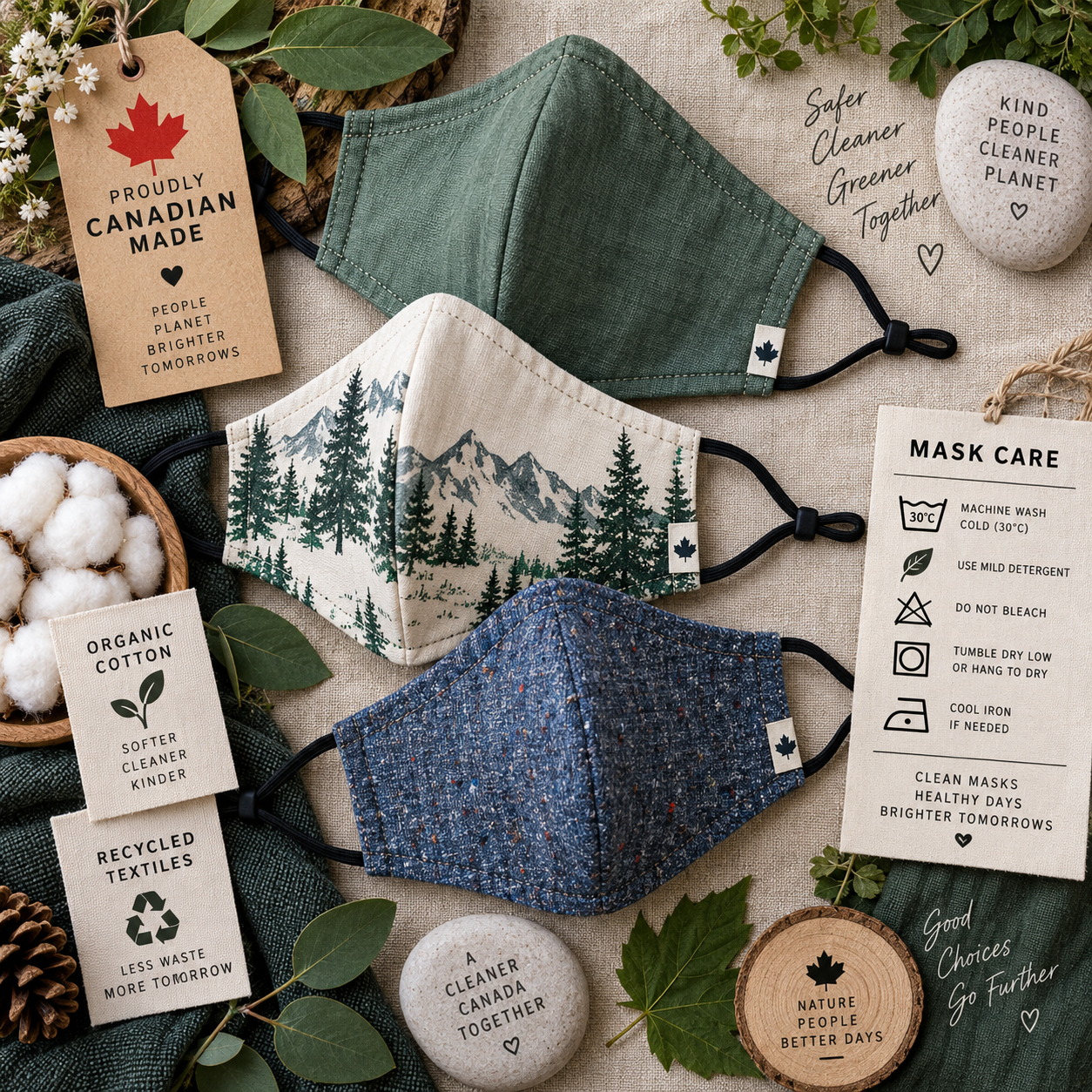
Reusable fabric masks can be a practical choice for everyday non-medical situations when you want a washable face covering with a lower-waste profile. The challenge is finding products that are genuinely made in Canada, comfortable enough to wear, responsibly produced, and transparent about their materials.
This guide compares five Canadian makers: Province of Canada, Encircled, Miik, Tentree, and Peace Collective. Product availability, fabrics, and mask designs can change, so check each brand’s current product page before purchasing.
What Makes a Fabric Mask Sustainable and Canadian-Made?
A sustainable Canadian-made fabric mask combines responsible materials, durable construction, Canadian manufacturing, fair production information, and a design intended for repeated use. No single feature proves sustainability on its own.
Canadian-made should describe the manufacturing location, not simply the brand’s headquarters or ownership. A Canadian label may design a mask domestically while outsourcing production abroad. Look for clear wording such as made, sewn, or manufactured in Canada, along with information about the facility or production partner.
Sustainability can involve several connected decisions:
- Materials: organic cotton, recycled polyester, deadstock fabric, or other lower-impact fibers may reduce reliance on virgin resources. Each material still has trade-offs.
- Durability: strong stitching, washable construction, and replaceable or long-lasting components help extend product life.
- Low-waste production: small-batch cutting, deadstock use, fabric offcuts, and made-to-order production can reduce excess inventory.
- Ethical manufacturing: useful signals include named Canadian facilities, local sewing teams, fair-labour statements, and supply-chain disclosure.
- Packaging: minimal, recyclable, or reusable packaging limits waste beyond the garment itself.
- Care requirements: a mask that survives frequent laundering is generally more useful than one made from a theoretically preferable fiber that quickly loses its shape.
Organic cotton may offer a familiar, breathable feel, while recycled materials can give synthetic fibers a second use. Choosing either option means accepting limitations: cotton can shrink or hold moisture, and recycled synthetics may feel warmer and can contribute to microfiber shedding during washing.
How We’re Comparing These Canadian Mask Brands
These Canadian mask brands are compared using the same practical criteria: Canadian production, material choices, construction, fit, breathability, washability, design, and transparency.
The comparison focuses on reusable face coverings for everyday non-medical use. It does not assess medical-grade filtration, clinical protection, occupational safety, or suitability for high-risk environments. Fabric masks are not automatically medical devices, and no mask should be treated as a guarantee against infection.
- Production: Is Canadian manufacturing clearly stated for the featured mask?
- Fabric: Does the brand identify organic cotton, recycled materials, deadstock textiles, or conventional fibers?
- Fit and comfort: Are there adjustable ear loops, a contoured shape, a nose feature, multiple sizes, or a secure face seal?
- Care: Can the mask be washed repeatedly, and are laundering instructions easy to find?
- Design: Does it balance appearance with coverage, breathability, and practical wear?
- Ethics: Does the company explain its manufacturing, sourcing, donations, or waste-reduction practices without relying only on broad claims?
This approach avoids a simplistic ranking. A mask with the most attractive fabric may not be the best choice for a wearer who needs adjustable fit, while the lightest design may be less suitable for someone seeking a structured covering.
1. Province of Canada
Province of Canada is a strong option for shoppers seeking Canadian-made casual face coverings from a Toronto-based apparel brand with a distinctly local identity.
The brand has offered non-medical masks and face coverings designed for daily use, often using soft textile construction and simple silhouettes that suit casual wardrobes. Its Canadian apparel roots make it a natural place to investigate when local manufacturing matters.
The main appeal is straightforward everyday design. Province of Canada masks are generally suited to errands, commuting, and public settings where a reusable covering is wanted without a clinical appearance. Look for details such as ear-loop construction, fabric layers, and current care instructions on the individual listing.
The sustainability assessment requires attention to the specific product. Canadian production can shorten some transport routes and support local sewing work, but it does not automatically make a garment low-impact. Check whether the current mask uses organic cotton, recycled content, deadstock fabric, or conventional textile stock.
Best for: shoppers who value Canadian apparel branding, understated styling, and a locally oriented purchase. Verify the current fit and fabric before ordering, especially if breathability or a particular fiber is a priority.
2. Encircled
Encircled is a compelling choice for people who connect sustainable fashion with Canadian design, small-batch production, and versatile clothing expertise.
Based in Toronto, Encircled is known for multifunctional apparel and a production philosophy centered on thoughtful design and reduced overconsumption. Its mask offerings have varied over time, so shoppers should confirm that a current listing is explicitly manufactured in Canada and identify the exact textile composition.
The brand’s design perspective is useful here: a good reusable face covering should be comfortable enough to wear repeatedly and practical enough to wash frequently. A soft fabric, secure loops, and a shape that sits close to the face can make the difference between a mask that stays in rotation and one abandoned in a drawer.
Encircled may appeal to customers who want a polished alternative to disposable coverings. Still, sustainable fashion claims should be read alongside product-level information. A transparent fiber label and clear laundering guidance matter more than a general brand reputation.
Best for: consumers who prioritize Canadian sustainable fashion, refined styling, and a brand with a broader low-consumption apparel philosophy. Confirm availability, production location, and current construction because older mask collections may no longer match newer products.
3. Miik
Miik stands out for shoppers interested in Canadian-made apparel, soft fabrics, and a comfort-first approach to reusable face coverings.
Miik is a Canadian clothing label associated with locally made, ethically produced garments and comfortable stretch textiles. Its mask products have changed according to demand and inventory, so the precise material and Canadian production claim should be checked on the current product page rather than assumed from the brand name.
For everyday wear, comfort often determines sustainability in practice. A washable mask that fits securely, does not irritate the ears, and remains comfortable during a short trip is more likely to be reused consistently. Soft knit or jersey fabrics can feel pleasant, although they may behave differently from tightly woven cotton in terms of structure and breathability.
Miik is worth considering when you want a face covering that visually belongs with a modern casual wardrobe. Pay attention to stretch recovery, washing temperature, drying instructions, and whether the mask becomes loose after repeated laundering. A stretched-out covering should be replaced rather than forced into continued use.
Best for: wearers who place a high value on softness, Canadian ethical apparel, and easy integration with everyday outfits. It may be less suitable for someone seeking a rigid, highly structured fit.
4. Tentree
Tentree is a useful option for environmentally minded shoppers, but its mask manufacturing details should be verified carefully because Canadian branding does not mean every product is made in Canada.
The Canadian company is widely associated with sustainable fashion, lower-impact materials, and tree-planting initiatives. It has sold reusable masks, including designs made with recycled materials in some product periods. However, product origin can vary, and shoppers must distinguish a Canadian brand from a Canadian-made mask.
Recycled polyester can reduce demand for virgin polyester and may provide quick-drying performance. The compromise is that synthetic fabrics can feel warmer for some people and require thoughtful laundering to limit microfiber release. A wash bag, full loads, and avoiding unnecessary high-temperature cycles can help reduce laundry impacts.
Tentree’s strength is its broad sustainability communication and accessible casual style. Its limitation for this specific search is verification: only select the mask if the listing clearly identifies Canadian manufacturing. If the origin says imported, it does not meet the Canadian-made criterion even if the company is Canadian-founded.
Best for: shoppers who prioritize recycled materials and a recognizable sustainability platform, provided the exact mask is confirmed as made in Canada. This is the brand on the list where origin checking is especially important.
5. Peace Collective
Peace Collective suits buyers who want a socially conscious Canadian fashion brand and a casual, graphic approach to reusable face coverings.
Toronto-based Peace Collective is known for apparel connected to community initiatives and charitable giving. Its mask collections have included reusable non-medical face coverings, but product specifications and manufacturing locations may change as collections rotate.
The brand’s appeal lies in combining a visible social message with an everyday accessory. Graphic masks can make a face covering feel more personal, which may encourage regular use. The practical questions remain the same: how securely does it fit, is the fabric breathable, and can it withstand frequent washing?
Review the fiber composition and care label before purchase. Printed designs may require gentler handling, and a mask that fades or loses shape quickly has a shorter useful life. Social impact is valuable, but it should be considered alongside construction quality and transparent production information.
Best for: consumers who appreciate Canadian social-enterprise energy, expressive design, and charitable brand missions. Choose carefully if you need a particular size, adjustable fit, or detailed fabric certification.
Choosing the Right Canadian-Made Sustainable Mask
The right Canadian-made sustainable mask depends on fit first, then fabric, care, intended use, budget, and the sustainability priorities you value most.
Use a simple FIT check
Think of the decision as the FIT check: Face coverage, Interface comfort, and Treatment after use.
- Face coverage: The mask should sit securely over the nose and mouth without large gaps. Avoid designs that slide below the nose during normal movement.
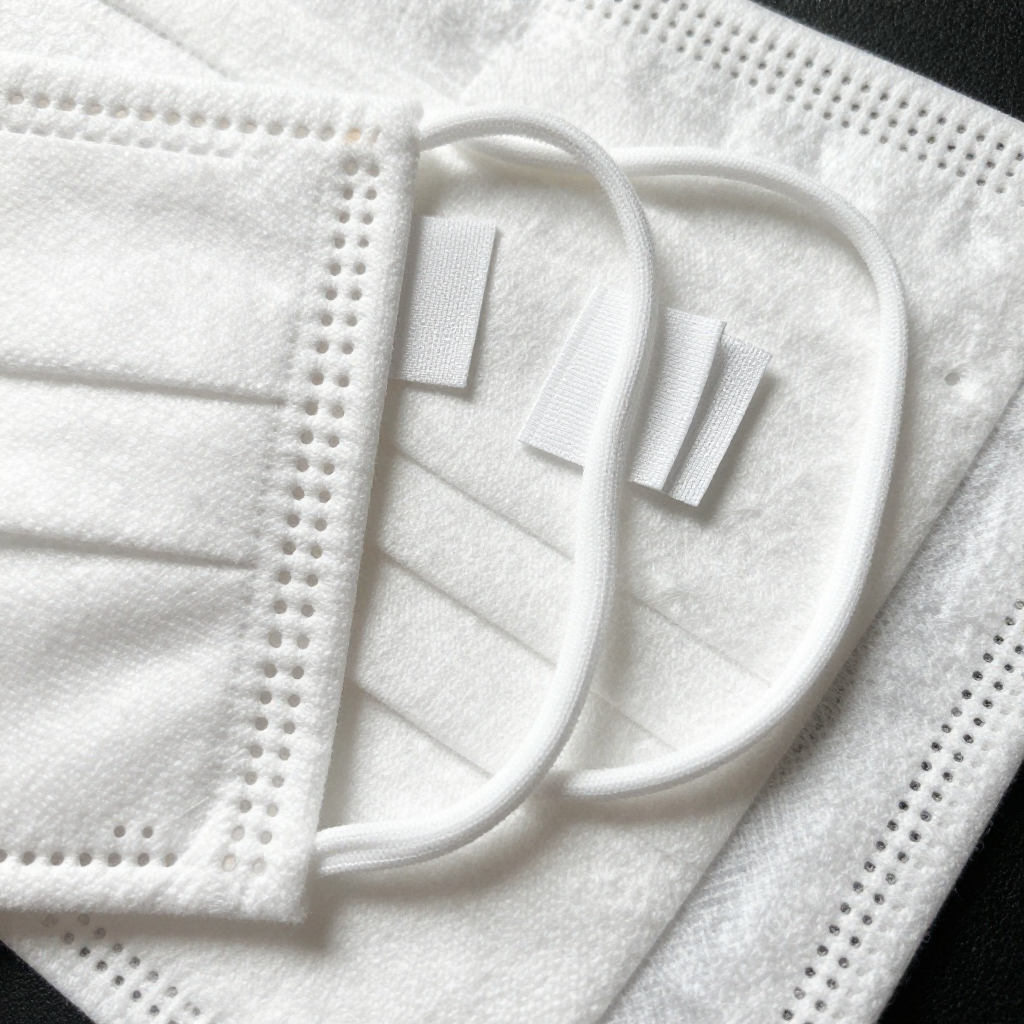
- Interface comfort: Check ear loops, nose shaping, fabric softness, heat, and pressure. Adjustable loops are useful when one-size designs feel loose.
- Treatment after use: Follow the maker’s laundering instructions, allow the mask to dry completely, and store clean masks in a dry, breathable place.
Choose organic cotton if you prefer a natural hand feel and familiar breathability. Consider recycled materials if recycled content and quick drying matter more, while recognizing the synthetic-fiber trade-offs.
Buy enough masks to rotate them between washes, but avoid purchasing a large quantity before testing one. Inspect seams and elastic after laundering. Replace a covering when it becomes stretched, damaged, difficult to breathe through, or unable to maintain a secure fit.
For current public-health guidance on masks and face coverings, consult Health Canada and the Public Health Agency of Canada. These reusable products are intended for everyday non-medical use, not clinical or high-risk medical settings.
FAQ About Canadian-Made Sustainable Fabric Masks
Are reusable fabric masks medical-grade protection?
No. Reusable fabric masks are non-medical face coverings and should not be treated as medical-grade devices or as a guarantee against illness. Follow current public-health advice and use products appropriate for your setting.
What materials are commonly used in sustainable fabric masks?
Common options include organic cotton, conventional cotton, recycled polyester, recycled cotton, deadstock fabric, and blended textiles. The best choice depends on comfort, durability, laundering, and the transparency of the specific product.
How should a reusable fabric mask be washed and maintained?
Follow the manufacturer’s care label. Wash after use when possible, dry the mask completely, avoid sharing it, and keep clean and used masks separate. Do not use a damaged or stretched-out covering.
What should shoppers verify before buying a Canadian-made mask?
Check the manufacturing location, fiber composition, number of layers if disclosed, size and fit features, care instructions, return policy, and current availability. Canadian ownership alone does not prove Canadian manufacturing.
How can consumers assess a brand’s sustainability claims?
Look for specific evidence: named materials, production locations, factory or sewing-partner information, certifications where relevant, packaging details, and realistic limitations. Clear product-level information is more useful than broad claims such as eco-friendly or ethical.