The Environmental Impact of Disposable Masks vs. Reusable Face Coverings


Choosing between disposable masks and reusable fabric face coverings involves more than convenience. Each option has an environmental impact created across its full life cycle: raw materials, manufacturing, packaging, transportation, use, care, durability, and end-of-life disposal.
For everyday, non-medical use, a well-made washable covering can reduce repeated purchasing and textile waste. That advantage depends on using it many times, washing it efficiently, and replacing it only when its fit or fabric has deteriorated. Disposable masks still have an important role in medical, occupational, or other settings where an approved protective product is required.
Disposable Masks and Their Environmental Footprint
Disposable masks generally create more ongoing waste because each mask is designed for limited use before disposal. Their environmental footprint includes synthetic materials, manufacturing energy, individual or bulk packaging, transportation, and end-of-life waste.
Many disposable medical-style masks use layers of nonwoven plastic-based material, such as polypropylene, along with elastic ear loops and a metal nose strip. The exact composition varies by product. These components can be difficult to separate, which complicates recycling and means used masks commonly enter general waste streams.
The single-use model also matters. A person who wears one disposable mask each day may purchase and discard hundreds in a year. Even when an individual mask is lightweight, the cumulative volume contributes to textile waste and single-use plastics. Littered masks can also create risks for wildlife and add visible debris to streets, parks, and waterways.
Packaging, transport, and disposal
Packaging may include plastic bags, cardboard boxes, shipping materials, and retail wrapping. Products manufactured far from the point of sale can travel through several stages before reaching a Canadian shopper. Transportation is only one part of the life-cycle assessment, but unnecessary packaging and long supply chains add material and energy demands.
Used disposable masks should be placed in a closed household garbage bin unless local authorities provide different instructions. Do not place them in household recycling. Ear loops should be handled carefully, and masks should never be flushed. The [Government of Canada’s public health guidance] can help distinguish general face-covering practices from requirements that apply to medical or workplace settings.
How Reusable Fabric Face Coverings Compare
Reusable fabric face coverings can lower waste from repeated purchases when they are durable, washed correctly, and used for a meaningful number of wears. Their environmental trade-off comes from fabric production, sewing, packaging, and the water and energy used during laundering.
A reusable covering may be made from cotton, linen, hemp, recycled polyester, blended fabric, or other textiles. Fibre choice affects resource use, feel, drying time, durability, and end-of-life options. Recycled content can reduce demand for new fibres, but it does not automatically make a product low impact. A thin covering that loses its shape quickly may have a shorter useful life than a sturdier product made from conventional fabric.
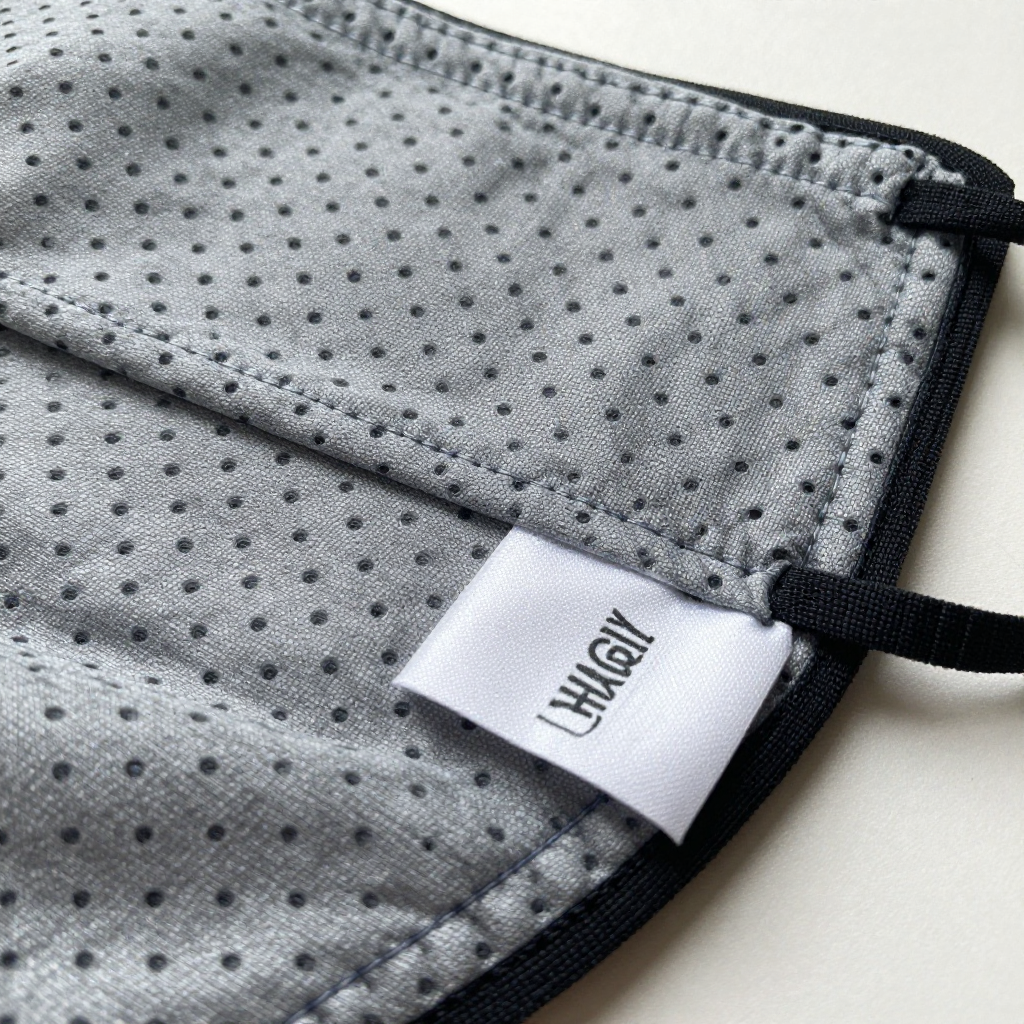
Construction often determines lifespan. Secure stitching, strong ear loops or ties, washable materials, and a shape that stays comfortable can encourage regular use. A covering that slips, causes irritation, or becomes difficult to breathe through may be abandoned even if its fabric has favourable environmental characteristics.
The value of repeated use
Think of a reusable covering as an item that must earn its production footprint through service. If one covering is worn, washed, and maintained dozens of times, it can avoid many purchases of disposable alternatives. If five are bought but rarely worn, the environmental benefit becomes much smaller.
Buying only the number needed for a practical laundry routine is usually more sensible than collecting many designs. For many households, a small rotation provides a clean option while another is being washed, without creating unnecessary inventory.
The Role of Washing, Drying, and Replacement
Washing and energy use can change the environmental balance of reusable face coverings, so care should follow the maker’s instructions and avoid unnecessary loads. Efficient laundering, air-drying when practical, and replacing coverings only when needed help preserve their lower-waste potential.
Wash a reusable covering after use according to its care label. Keep used items in a designated washable bag or container if they cannot be cleaned immediately, and avoid wearing a damp, visibly soiled, damaged, or poorly fitting covering. Do not assume that every fabric, filter insert, elastic, or decorative finish tolerates the same temperature or washing method.
Lower-impact laundry habits
- Wash with a full, appropriate load when timing and hygiene requirements allow.
- Use the warmest method recommended by the manufacturer rather than automatically choosing the hottest setting.
- Air-dry when practical, especially if the fabric dries quickly and the care instructions permit it.
- Use a washing machine’s efficient cycle when it provides adequate cleaning for the item.
- Avoid excessive detergent, which does not make a covering indefinitely reusable and can leave residue.
Frequency depends on use. A covering worn for a full day, exposed to moisture, or visibly soiled should be washed before its next use. There is no universal replacement date. Inspect the fabric, seams, straps, and fit after laundering. Replace it when it becomes thin, stretched, torn, permanently soiled, difficult to breathe through, or unable to stay securely in place.
Repair can extend product lifespan when the issue is limited to a loose seam or replaceable strap. Repair is not appropriate if the fabric itself has degraded or the covering no longer provides a comfortable, secure fit.
Materials and Ethical Production Matter
Materials and ethical manufacturing matter because a reusable face covering’s environmental impact depends on both what it is made from and how long it remains useful. Canadian shoppers should assess the complete product story instead of treating one label, fibre, or location as automatic proof of sustainability.
Look for clear information about fibre content, construction, care, sizing, and intended non-medical use. A transparent maker should explain whether the covering is made from new, deadstock, organic, recycled, or blended textiles. Each choice has advantages and limitations: organic fibres relate to agricultural practices, recycled fibres can reduce reliance on virgin inputs, and deadstock can make productive use of existing fabric. None removes the need to consider durability, washing, transport, and disposal.
Questions for an ethically made purchase
- Where was the covering cut and sewn, and does the brand describe its production partners?
- Are workers’ conditions, wages, or manufacturing standards addressed with specific information?
- Does the product use durable stitching and replaceable or repairable components?
- Are fabric composition and care instructions easy to find before purchase?
- Does the design fit comfortably enough to support repeated use?
- Does the company avoid exaggerated claims such as zero-impact or fully sustainable without evidence?
Local or Canadian production may shorten part of the supply chain and make communication easier, but it does not automatically eliminate environmental impacts. A locally sewn covering that is discarded after a few uses may have a greater practical burden than a durable product used for months. Ethical manufacturing also includes responsible labour practices, accurate marketing, safe working conditions, and fair treatment of makers.
Choosing the Lower-Impact Option for Everyday Use
For ordinary non-medical everyday use, choose a comfortable, durable, washable face covering that you will actually use repeatedly. Choose a disposable medical or protective product when a healthcare provider, employer, facility, or regulation requires one.
A simple decision framework is the fit, frequency, fabric, and future test:
- Fit: Can it stay securely in place without constant adjustment, while remaining comfortable?
- Frequency: Will you use it often enough for repeated wear to justify its materials and care?
- Fabric: Are the materials, layers, seams, and care requirements clearly disclosed?
- Future: Can it be washed, repaired, stored, and eventually disposed of responsibly?
A non-medical fabric covering is not a substitute for medical masks, respirators, or other occupational protective equipment. It may be unsuitable for clinical care, hazardous dust, infectious-disease procedures, or any setting with specific protective requirements. Environmental preferences should never override safety rules.
Disposable masks may be appropriate when a sterile or regulated product is required, when a reusable covering cannot be washed safely, or when an organization specifies approved protective equipment. The lower-impact choice is therefore context-dependent. Use a reusable option where it is suitable, and avoid buying more of either type than the situation demands.
How to Use and Dispose of Masks More Responsibly
Responsible mask use means extending the useful life of reusable coverings, preventing contamination or damage during storage, and sending disposable masks to the correct waste stream. Small habits reduce unnecessary replacement and litter.
- Keep clean reusable coverings in a dry, breathable container or clean sealed bag until needed.
- Store used items separately from clean ones and wash them according to their care instructions.
- Do not share a used covering without appropriate laundering.
- Check straps, seams, and fabric regularly; repair minor damage before it becomes unusable.
- Do not donate or pass on a covering that is visibly worn, contaminated, or structurally damaged.
- Place disposable masks in general waste unless a local program explicitly accepts them.
- Never put disposable masks, elastic loops, or filter components in household recycling unless the program provides specific instructions.
End-of-life disposal for reusable fabric face coverings depends on their condition and composition. A clean, intact covering may be repurposed for a non-face-related textile use if the material remains suitable. A damaged item can sometimes enter a textile-recycling program, although acceptance varies by municipality and provider. Check local Canadian waste guidance rather than assuming all textiles are recyclable.
Frequently Asked Questions
Are reusable fabric face coverings better for the environment than disposable masks?
They can be, especially when a durable covering replaces many disposable masks and is washed efficiently. The result depends on fabric production, manufacturing, packaging, transport, laundry, lifespan, and end-of-life disposal.
How should reusable face coverings be washed?
Follow the maker’s care instructions and wash after use, particularly when the covering is damp or visibly soiled. Use an appropriate load and temperature, then dry it completely before wearing it again.
How long should a reusable fabric mask last?
There is no universal lifespan. Replace it when the fabric, seams, straps, or fit deteriorate, or when it becomes uncomfortable or difficult to breathe through. A well-constructed item can last much longer than a poorly made one if cared for properly.
Can disposable masks be recycled?
Usually, not through ordinary household recycling. Disposable masks combine materials that are difficult to separate, and used products may create handling concerns. Follow local waste instructions and place them in general garbage when no dedicated program exists.
What should I look for in an ethically made fabric face covering?
Look for transparent fibre information, durable construction, clear care instructions, honest non-medical claims, responsible labour information, and a fit you will use repeatedly. Made in Canada, organic, or recycled labels can be useful details, but none proves sustainability on its own.
The most responsible choice is the one that fits the setting, lasts through repeated use, and is cared for thoughtfully. For suitable everyday non-medical situations, a durable reusable fabric face covering can help reduce reliance on single-use products. The environmental impact still comes down to the whole life cycle, from the first fibre to the final disposal decision.