Material Matters: Organic Cotton vs. Bamboo vs. Hemp for Face Masks

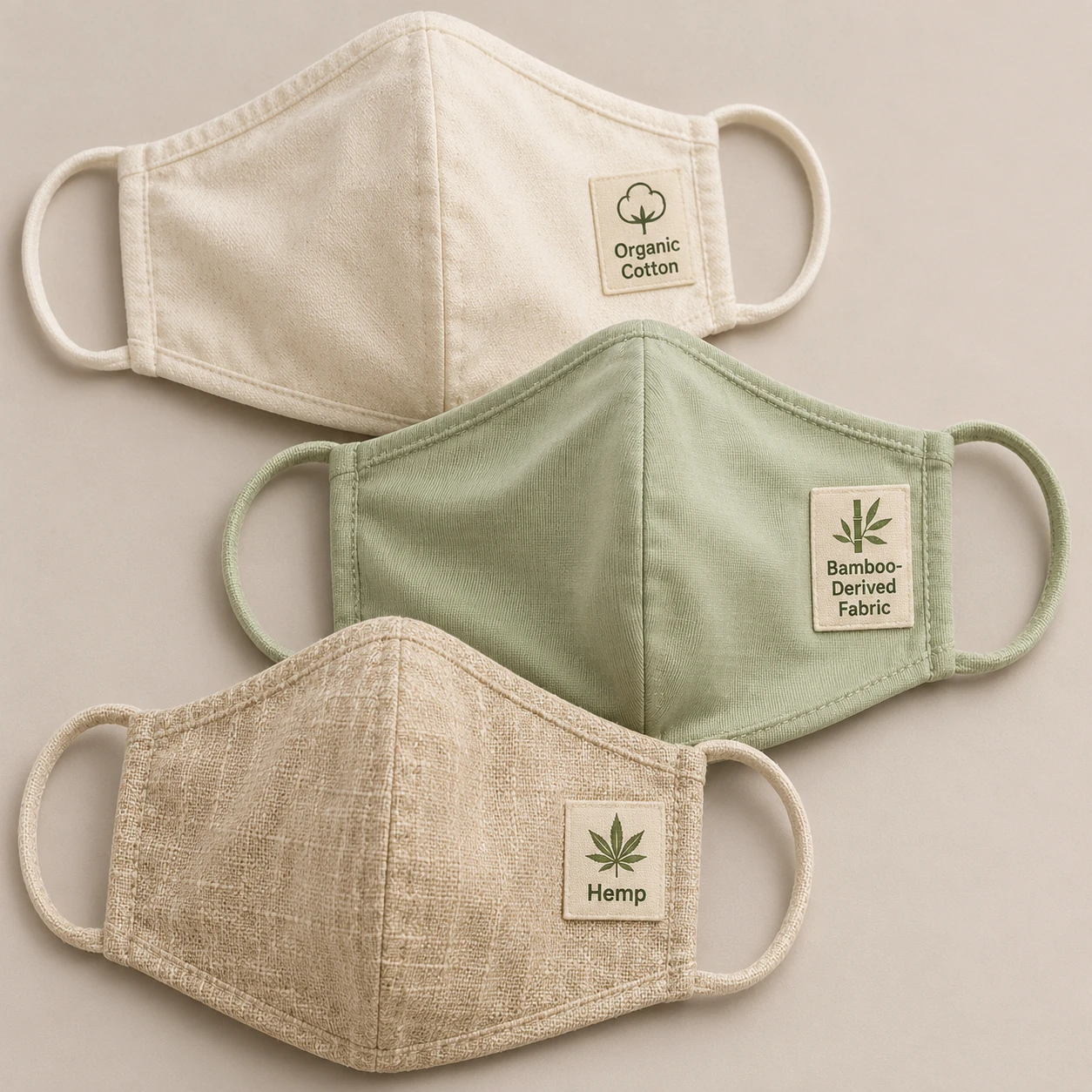
Choosing a reusable face mask starts with how it feels against your skin and fits into your routine. Organic cotton, bamboo-derived fabric, and hemp can each work well for a non-medical fabric face mask, but the fibre name alone does not tell you how breathable, comfortable, or durable the finished mask will be.
Fabric weave, layers, fit, washing instructions, and sourcing all matter. Here’s how to compare the materials and what to check before buying an ethically made mask in Canada.
What matters in a non-medical fabric face mask?
A non-medical fabric face mask is best compared by its fit, construction, comfort, care needs, and material sourcing. No fibre choice by itself establishes medical protection, so focus on everyday wear and the product’s stated intended use.
Start with fit and coverage: the mask should sit securely over your nose and mouth, extend under your chin, and avoid large gaps at the sides. It should stay in place while you speak without making breathing uncomfortably difficult. A mask that needs constant adjustment is less practical, whatever its fabric.
Next, look at construction. The number of fabric layers, the weave, seams, and any nose piece can all affect how a mask wears. A very dense fabric may feel less airy; a loose weave may feel cooler but offer less coverage. These features interact, so a material label cannot settle the question on its own.
Finally, check washing guidance and sourcing details. Clear fibre content, care instructions, and information about where and how a mask is made help you judge whether it suits your routine and values. Treat performance or sustainability claims cautiously when a product gives no supporting detail.
Organic cotton: familiar feel and straightforward care
Organic cotton is a familiar, often easy-care choice for a non-medical fabric mask, but its comfort and everyday performance depend on the finished fabric and design. The word “organic” describes how the cotton was grown under a certification or standard; it does not guarantee a particular weave, softness, or mask fit.
Cotton can feel comfortable against the face and is available in many weights and weaves. A smooth, lighter fabric may feel less warm, while a heavier or tightly woven cotton may feel more substantial. A mask’s lining and layers also change how it feels during a commute, errands, or a full day of wear.
Many cotton masks can be machine-washed, but follow the maker’s instructions. Hot water or high-heat drying may shrink some fabrics, distort elastic, or shorten the life of a mask. Wash reusable masks regularly, and make sure they are fully dry before wearing or storing them.
For shoppers comparing organic cotton masks, look for specific fibre and certification information rather than relying on a green label alone. Organic cotton may appeal if you prefer a familiar natural fibre and straightforward care. The trade-off is that cotton quality varies widely, and the mask’s construction still determines how it sits and feels.
Bamboo fabric: soft feel, with processing to consider
Most fabric sold as bamboo textile is a regenerated fibre, commonly viscose or rayon made from bamboo pulp, rather than cloth woven directly from untreated bamboo. It can feel smooth and soft, but its processing and care needs deserve a closer look.
“Bamboo” is often used as a shorthand on product labels. Check the fibre-content description to see whether the material is listed as bamboo viscose, bamboo rayon, or another regenerated fibre. The manufacturing process turns plant pulp into textile fibre, so the finished fabric’s properties come from both the raw material and processing.
Some people like bamboo-derived fabric for its soft, fluid feel against the skin. That softness can be appealing for a mask worn for several hours, though it does not guarantee that the mask will feel cool or breathe well. Fabric weight, weave, lining, and the number of layers all play a part.
Care instructions matter, too. Some viscose fabrics are more prone to shrinkage or shape changes than sturdier cottons, especially with high heat or rough washing. Follow the label and let the mask dry completely. If you value bamboo-derived fabric, look for clear information about fibre composition, processing, and the finished mask rather than assuming the plant name tells the whole story.
Hemp: a durable natural-fibre option
Hemp fabric can be a durable option for a reusable face mask, though its feel and suitability depend on the weave, finish, and mask construction. Its appeal may include a sturdy hand and interest in the crop’s sourcing, but neither durability nor environmental impact should be assumed from the fibre name alone.
Depending on how it is made, hemp fabric may feel more textured or structured than soft cotton or bamboo-derived viscose. Finishing and blending can change that feel. If you have sensitive skin or prefer a smooth mask, check the product description and consider how the fabric feels before committing to a design intended for frequent wear.
A hard-wearing fabric may stand up to regular use, but the mask also contains other parts: thread, elastic, seams, and sometimes a nose wire. These can wear out before the fabric does. Look for secure stitching and replace the mask if it becomes damaged, stretched, or difficult to fit comfortably.
Hemp sourcing varies, as does the environmental footprint of growing, processing, dyeing, and shipping any textile. A responsible product description should offer more than broad claims: useful details can include fibre composition, manufacturing location, and care guidance. Hemp may suit shoppers who want a robust natural-fibre option and are comfortable with its particular texture.
Comparing the three materials side by side
Organic cotton, bamboo-derived fabric, and hemp each involve trade-offs in feel, care, and sourcing; none is universally best for every face mask. Compare the finished product and its details, not just the material name.
- Feel: Cotton ranges from crisp to soft; bamboo-derived viscose is often smooth; hemp can feel more textured or structured, depending on its finish.
- Breathability: The weave, fabric weight, layers, and fit matter as much as fibre type. A lightweight fabric may feel airier, while a denser construction may feel warmer.
- Durability: Hemp is often chosen for its sturdy feel, while cotton and bamboo-derived fabrics vary by quality and construction. Seams and elastic can be the weak points in any mask.
- Care: Cotton is often relatively straightforward to wash, while some regenerated bamboo fabrics need gentler handling. Hemp care depends on the finished textile. Always follow the label.
- Sourcing: Organic cotton certification, bamboo fibre processing, and hemp growing and manufacturing are different considerations. Ask for specifics rather than treating any fibre as automatically sustainable.
A useful way to decide is to rank your priorities: first, a secure and comfortable fit; second, a care routine you will follow; third, material feel and sourcing. If a mask fails the first test, a preferred fibre will not make it a good everyday choice.
How to choose and care for a mask
Choose a non-medical fabric mask by checking fit, construction, material transparency, care instructions, and intended use. A comfortable, well-made mask that you can maintain is more practical than one chosen by fibre label alone.
- Check coverage and fit. Look for a design that covers your nose, mouth, and chin, stays secure, and does not leave obvious gaps. Adjustable ear loops or ties can help improve fit.
- Read the construction details. Check the listed layers, fabric composition, lining, and whether the mask includes a nose piece. Choose a design that feels comfortable for the length of time you expect to wear it.
- Look for clear sourcing. A Canadian maker should be able to state what the mask is made from and provide useful information about production. “Ethically made” is more meaningful when the business explains its practices.
- Confirm care instructions. Follow the maker’s washing and drying guidance, and inspect the mask regularly for damage or a stretched fit. Keep a clean, dry mask available when you need a replacement.
- Use it for its stated purpose. Fabric face coverings are non-medical products. Do not treat a material description as proof of medical-grade protection or rely on a fabric mask in place of health guidance for a specific situation.
For Canadian shoppers, useful questions include: Where was the mask sewn? Are the fibre contents fully listed? Can the maker explain what “organic” or “bamboo” means for this product? Is the care label practical for repeated use? Answers to these questions give you a better basis for choosing an ethically made Canadian apparel item than a broad sustainability claim.
Frequently asked questions
Is organic cotton, bamboo, or hemp best for a fabric face mask?
There is no single best fibre. Choose based on the mask’s fit, fabric construction, feel, care needs, and sourcing details. A well-fitting mask made from a material you can comfortably maintain is a sensible everyday choice.
Is bamboo fabric the same as bamboo fibre?
Most textiles described as bamboo are regenerated fibres such as viscose or rayon made from bamboo pulp. Read the product’s fibre-content label to identify what the finished fabric contains.
Can a natural-fibre mask be machine-washed?
Many reusable fabric masks can be machine-washed, but care varies by fibre, finish, and components such as elastic. Follow the manufacturer’s instructions, and make sure the mask is completely dry before reuse.
What should I check before buying an ethically made mask in Canada?
Look for clear fibre content, transparent production information, a comfortable and secure fit, practical washing instructions, and an explicit non-medical intended use. Ask the maker about vague claims that are important to your decision.