How to Choose Sustainable Fabric Masks: A Buyer’s Guide

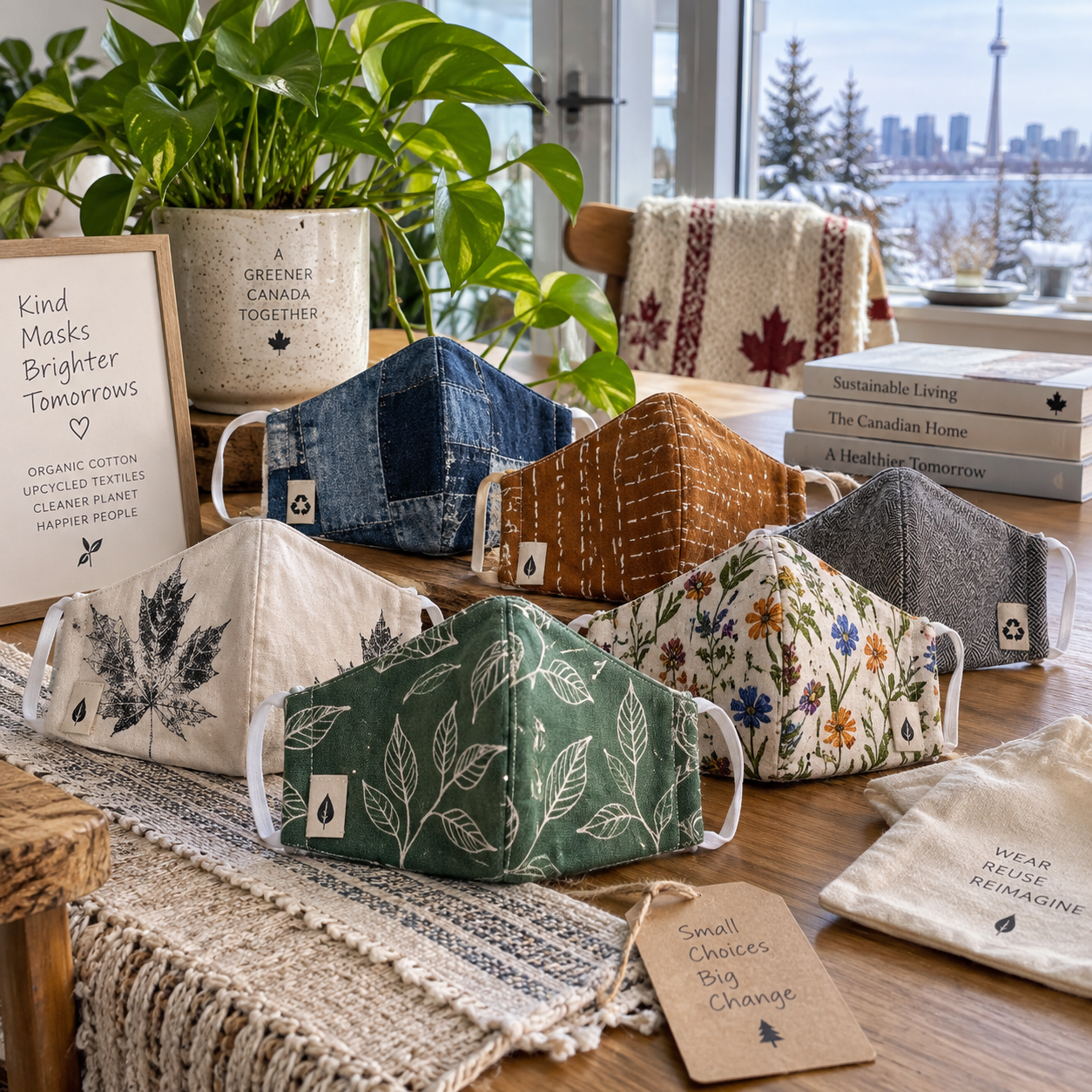
Choosing a sustainable fabric mask involves more than picking an attractive pattern. Canadian shoppers should compare the mask’s intended use, material, construction, fit, care requirements, and the maker’s production practices before buying.
A reusable face covering can be a practical everyday accessory, but it is still a non-medical product. It should not be presented as a medical mask, respirator, or substitute for regulated protective equipment. The goal is to find a comfortable, durable covering that aligns with your needs and values while avoiding unnecessary purchases.
Start With the Mask’s Intended Use
Sustainable fabric masks are non-medical face coverings designed for everyday use, not regulated medical or respiratory protection. Choose one based on where, when, and how long you expect to wear it.
Before comparing fabrics, consider your routine. A mask used for a short indoor errand has different comfort requirements from one worn during a long commute, while shopping, or during seasonal travel. Think about whether you need one covering for occasional use or several so you can rotate them between washes.
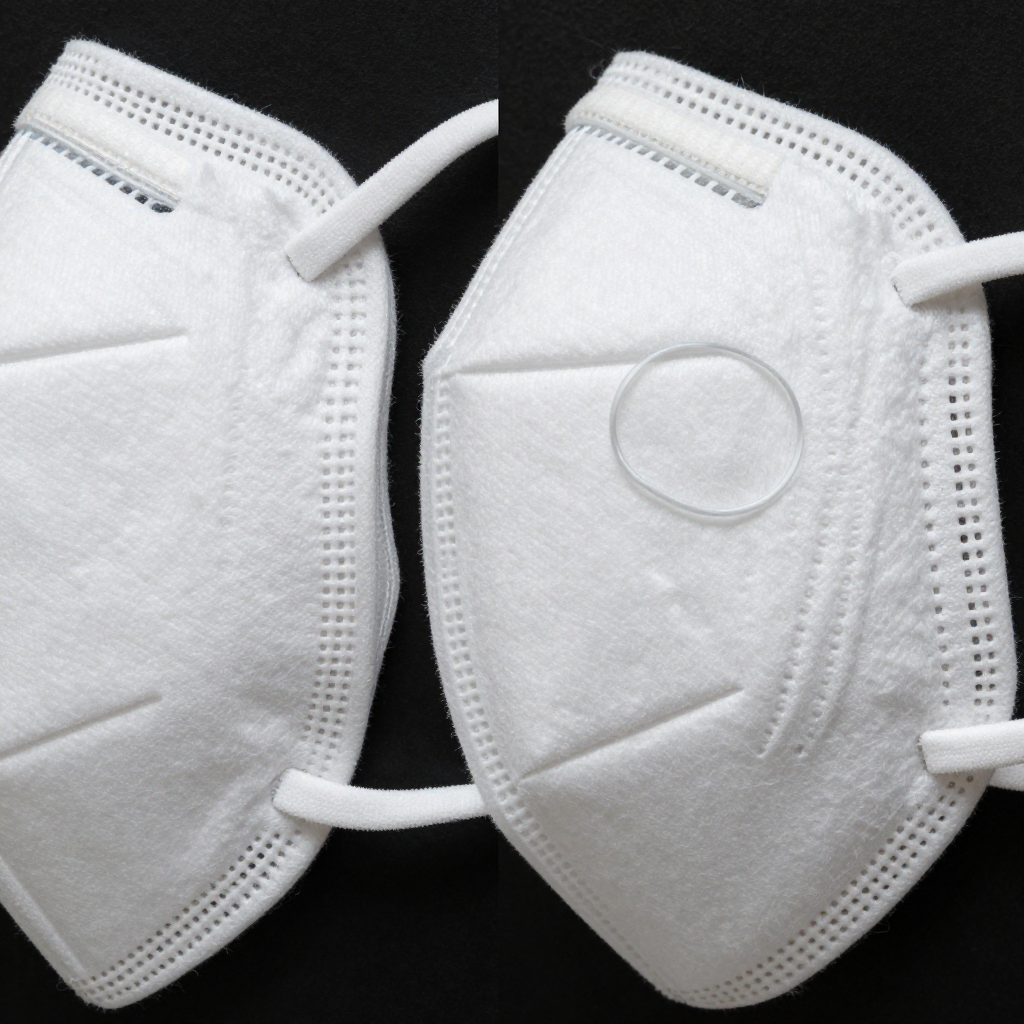
Non-medical fabric masks differ from medical masks and respirators, which are made and labelled according to specific standards and intended uses. If a workplace, healthcare setting, airline, or public health authority requires regulated protective equipment, follow that instruction rather than relying on a fabric face covering. Health Canada provides consumer information about masks and face coverings through its official website.
For ordinary use, look for a product description that clearly identifies the item as a non-medical face covering. Be cautious of vague promises such as guaranteed protection, medical-grade performance, or complete prevention of illness. Responsible sellers explain what the product is and what it is not.
Evaluate Sustainable Fabric Choices
Sustainable fabric masks can use organic cotton, recycled fibres, or upcycled textiles, but no single material is best for every shopper. Compare softness, breathability, durability, care needs, and the transparency of the material description.
Organic cotton is popular because it feels familiar against the skin and can be breathable, washable, and relatively easy to sew. However, an organic label alone does not describe the whole product’s environmental impact. Fibre processing, dyeing, shipping, packaging, and the mask’s useful life also matter.
Recycled textiles can make use of existing fibres and reduce demand for new raw materials. Recycled polyester, for example, may offer strength and quicker drying, while a recycled cotton blend may provide a softer hand feel. Ask whether the seller names the fibre content and explains how the recycled material is sourced.
Upcycled textiles give previously used fabric a new purpose. This can reduce cutting waste and create distinctive designs, though colour, weight, and availability may vary between batches. A careful maker should still disclose the fabric composition and confirm that the material is clean, suitable for repeated washing, and free from damage.
Material descriptions should answer practical questions:
- What are the outer, inner, and filter-pocket fabrics made from?
- How many layers does the design contain?
- Does the fabric feel lightweight, dense, stretchy, or textured?
- Can the seller provide washing and drying instructions?
- Are dyes, finishes, or fibre blends clearly identified?
More layers can change the feel of a mask. A denser construction may feel warmer or less breathable, while a very thin covering may feel comfortable but offer less physical coverage. Treat breathability and comfort as personal fit questions, not as medical performance guarantees.
Check Fit, Comfort, and Construction
A good reusable mask should sit securely over the nose, mouth, and chin without constant adjustment. Check measurements, attachment style, nose shaping, seams, and breathability before ordering.
Do not assume that one standard size will fit everyone. Look for measurements rather than labels such as small, medium, or large. If possible, measure from the bridge of your nose to beneath your chin and compare that measurement with the seller’s size chart. Children and adults need appropriately sized designs, and facial hair can affect how a covering sits.
Ear loops are convenient for quick use, but they can press behind the ears during extended wear. Ties may offer a more customizable fit, although they take longer to put on and can loosen. Adjustable toggles or replaceable loops are useful when several people in a household have different preferences, but small components should remain secure and comfortable.
A flexible nose wire can help shape the upper edge and reduce slipping. It should be enclosed safely inside the fabric, with no sharp ends exposed. A shaped centre seam may improve space around the mouth, while flat seams can feel less bulky. Examine product photographs for neat stitching, even edges, and reinforced stress points near the loops or ties.
Comfort has a simple test: can you wear the mask for the intended period without repeatedly touching it? A covering that slides, pinches, fogs glasses, or makes you adjust it every few minutes may become an abandoned purchase. Choosing a better fit usually supports sustainability because the mask is more likely to be worn repeatedly.
Look Beyond Materials: Ethical Production Matters
An ethically made mask includes transparent information about who made it, where it was produced, how workers are treated, and how it is packaged. Material choice matters, but supply-chain clarity gives it context.
Local production can shorten some shipping distances and make communication with the maker easier, but the word local does not automatically prove fair labour or low impact. Look for a clear business location, production country, maker information, and an honest explanation of whether the item is sewn in-house, commissioned, or imported.
Responsible sellers may describe fair wages, small-batch production, worker-owned facilities, or partnerships with ethical manufacturers. They should avoid broad claims such as sustainable or zero waste without explaining the specific practices behind them. Certifications can be useful when they are named and verifiable, but a missing certification does not automatically mean poor labour practices. Transparency is the key starting point.
Packaging is another useful signal. Minimal recyclable or reusable packaging can reduce unnecessary material, while excessive plastic, oversized boxes, or individually wrapped components may conflict with a sustainability message. At the same time, packaging must keep the product clean during shipping. The most responsible option balances hygiene, protection, and material reduction.
Consider shipping as part of the purchase. A Canadian maker may offer easier returns or lower transport distance within Canada, while an imported product may have a lower sticker price but involve longer delivery, international returns, and less accessible customer service.
Consider Durability, Care, and Cost per Wear
Durable construction and clear reusable mask care instructions determine whether a fabric mask remains sustainable in practice. A higher-priced mask can be the better value if it stays comfortable and intact through many wash cycles.
Check for tightly finished edges, secure stitching, stable fabric, and reinforced attachment points. Colourfastness matters too: a mask that fades dramatically, shrinks, or loses its shape after a few washes may have a short useful life. Sellers should explain whether the covering can be machine washed, hand washed, air dried, or tumble dried.
Follow the maker’s care instructions because fabrics and enclosed nose wires vary. Wash reusable coverings after use according to the product guidance, allow them to dry completely, and store clean masks in a dry, breathable place. A clean pouch or separate compartment can prevent a used mask from touching personal items. Avoid altering the mask by cutting layers, removing enclosed components, or adding untested materials.
Use a simple cost-per-wear calculation:
Purchase price ÷ realistic number of wears = approximate cost per wear.
For example, a $24 mask worn twice a week for six months would cost about $0.46 per wear before considering washing. That figure is only an estimate, but it encourages you to compare longevity rather than price alone. Replace a reusable mask when it develops holes, frayed seams, stretched attachments, permanent odour, damaged fabric, or a fit that can no longer be adjusted securely.
Choose the Right Mask for Canadian Conditions
Canadian conditions call for a face covering that matches the season, humidity, temperature, and setting. Choose lighter, breathable fabrics for warm weather and consider comfortable layering or a roomier fit in cold conditions.
In summer, dense or heavily layered fabric may feel hot and damp, especially during walking or public transit. A lightweight design with a comfortable fit may be easier to wear consistently. In winter, a mask worn under a scarf or beside a high collar should not create excessive pressure around the ears or nose. Moisture from breath can also accumulate in cold weather, so carrying a clean spare is practical.
Humidity, snow, rain, and condensation can affect comfort and drying time. Do not put a damp mask back into regular use or store it in a sealed bag for long periods. A washable pouch with ventilation, or a separate clean container used according to the maker’s instructions, can help keep used and clean coverings apart.
Indoor settings may require longer wear, making soft seams, adjustable loops, and breathability especially important. Outdoor use may involve wind, glasses, hats, or winter layers. Try on the mask with the clothing and accessories you normally wear. The right choice is often the one that remains stable without needing frequent handling.
Use a Practical Sustainable Mask Buying Checklist
A sustainable mask buying checklist should cover the product’s purpose, materials, fit, construction, care, ethics, packaging, and seller transparency. Review each point before adding a mask to your cart.
- Purpose: Is it clearly labelled as a non-medical fabric mask or face covering?
- Material: Does the seller identify organic cotton, recycled fibres, upcycled textiles, blends, and layer composition?
- Fit: Are accurate measurements provided for the intended wearer?
- Comfort: Are breathability, softness, ear loops, ties, and nose shaping suitable for the expected wear time?
- Construction: Are seams neat, edges finished, and attachment points reinforced?
- Care: Are washing, drying, storage, and replacement instructions easy to find?
- Durability: Does the design appear capable of repeated washing and regular use?
- Ethical sourcing: Does the maker explain production location, labour practices, and supply-chain limits?
- Packaging: Is packaging protective without being unnecessarily excessive?
- Seller transparency: Are contact details, shipping information, returns, and product limitations clearly stated?
If several answers are missing, pause before buying. A transparent product description helps you make a responsible decision and gives the maker an opportunity to improve its information.
Frequently Asked Questions
Sustainable fabric mask FAQs focus on medical status, comfort, washing, ethical production, and replacement. The answers below provide a practical starting point for Canadian shoppers.
Are sustainable fabric masks medical masks?
No. Sustainable fabric masks are generally non-medical face coverings and should not be treated as medical masks or respirators. Follow workplace, healthcare, travel, and public health requirements when regulated equipment is specified.
Which fabric is most comfortable for reusable face coverings?
Many people find soft, breathable cotton comfortable, including organic cotton, but comfort depends on weave, layers, fit, humidity, and personal sensitivity. Recycled and upcycled textiles can also work well when their composition and care requirements are clearly explained.
How should reusable fabric masks be washed and stored?
Follow the maker’s care instructions, wash after use as directed, dry the mask completely, and store clean and used coverings separately. Do not cut, remove, or add components unless the manufacturer specifically permits it.
What makes a fabric mask ethically made?
Ethically made production is supported by clear information about manufacturing location, labour conditions, wages or worker relationships, materials, and packaging. Look for specific explanations rather than unsupported sustainability slogans.
When should a reusable fabric mask be replaced?
Replace it when fabric, seams, loops, ties, or nose-shaping components become damaged, difficult to clean, or unable to maintain a comfortable fit. A mask that no longer sits securely has reached the end of its useful life.
The most sustainable choice is usually a face covering you will wear comfortably, wash correctly, and keep in service for as long as its construction remains sound. Compare the full product story, not only the fibre label or price tag.